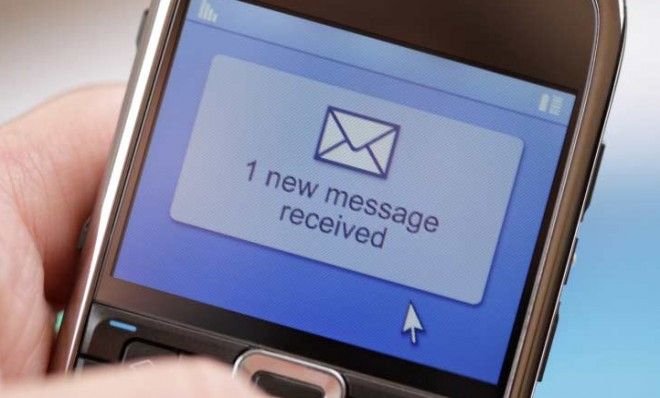
Texting has transformed the way people communicate, allowing instant messaging without making a phone call. But many people wonder, when did texting become popular? The journey of texting from a niche technology to a global communication staple is fascinating, involving innovations in mobile networks, cultural trends, and the rise of smartphones. Understanding its history helps explain why texting remains essential today.


The evolution of texting is closely tied to technological advancement and social adoption. By exploring when did texting become popular in the US and UK, we can identify key milestones, from the first text messages to the widespread use of messaging apps. This history reveals how convenience, affordability, and social trends shaped texting into a mainstream communication tool.
The Origins of Text Messaging
The origins of texting began in the 1980s with the development of the Short Message Service (SMS), designed to allow brief digital messages to be sent between mobile devices. The very first text message was sent in 1992, reading “Merry Christmas,” marking the start of a communication revolution. Early SMS was experimental and used mainly by tech enthusiasts and engineers testing network capabilities.
Despite its novelty, early texting faced many limitations. Mobile phones were expensive, and plans often charged per message, making frequent use impractical for most people. These early constraints meant that texting remained a niche activity. However, these beginnings laid the groundwork for understanding when did texting become popular as networks and phones improved over the 1990s.
Texting in the 1990s: The Early Rise
During the 1990s, mobile phones became more affordable, particularly in the UK and US, enabling a growing number of people to send messages. Texting slowly transitioned from a technical experiment to a popular way to communicate short messages, especially among younger users who appreciated its convenience. Early texting also encouraged creativity through shorthand and abbreviations.
Even though texting was gaining traction, adoption was limited by cost and network restrictions. Messaging was still a novelty rather than a necessity. By analysing when did texting become popular in the US, it is clear that the late 1990s set the stage for the explosion of messaging in the 2000s, when cross-network communication and cheaper plans made texting more accessible to everyone.
The 2000s: Texting Becomes Mainstream

The early 2000s marked a turning point when texting became mainstream. The introduction of cross-network texting allowed users to send messages to anyone regardless of their mobile carrier, leading to a significant surge in usage. In the US, by 2007, the number of texts sent surpassed traditional phone calls, illustrating how texting had become the preferred communication method for many people.
Texting also became a cultural phenomenon during this period. The widespread adoption of predictive text, known as T9, made messaging faster and easier, encouraging people to use texting for casual communication. Socially, texting became the norm for teenagers and young adults, showing how when did texting become popular was closely linked to accessibility, technology, and cultural trends.
Smartphones and the 2010s: Texting in the Digital Age
The rise of smartphones in the 2010s transformed texting once again. Apps like WhatsApp, iMessage, and Facebook Messenger expanded the capabilities of messaging, allowing multimedia messages, group chats, and instant delivery. Texting habits shifted from SMS to these apps, making messaging even more integral to daily life.
This era illustrates how texting evolved to meet changing social and technological demands. Understanding when did texting become popular globally shows the impact of smartphones in reinforcing texting as a primary communication method. Teens and adults increasingly preferred messaging over calling, reflecting a shift in communication culture across the UK and US.
Texting Today: Usage, Trends, and Statistics
Today, texting remains widely used despite the dominance of messaging apps. People continue to send SMS, multimedia messages, and emojis, reflecting the evolution of texting to suit modern lifestyles. Texting now serves both personal and professional purposes, demonstrating its adaptability and continued relevance in everyday communication.
By looking at the timeline of texting, it is evident that when did texting become popular is linked to affordability, convenience, and social trends. The popularity of texting in the UK and US highlights how quickly communication habits can shift with technology. Texting continues to evolve, blending traditional SMS with app-based messaging to meet contemporary communication needs.
Conclusion
The history of texting shows its transformation from a niche technology to a global communication essential. Key milestones, including the first text in 1992, early adoption in the late 1990s, the mainstream surge in the 2000s, and the smartphone revolution in the 2010s, illustrate how and when did texting become popular.
Today, texting remains a cornerstone of communication, bridging distance and time. Understanding when did texting become popular helps explain why texting continues to shape modern communication habits. Its adaptability and convenience ensure that texting, whether via SMS or messaging apps, will remain a critical tool for connecting people worldwide.