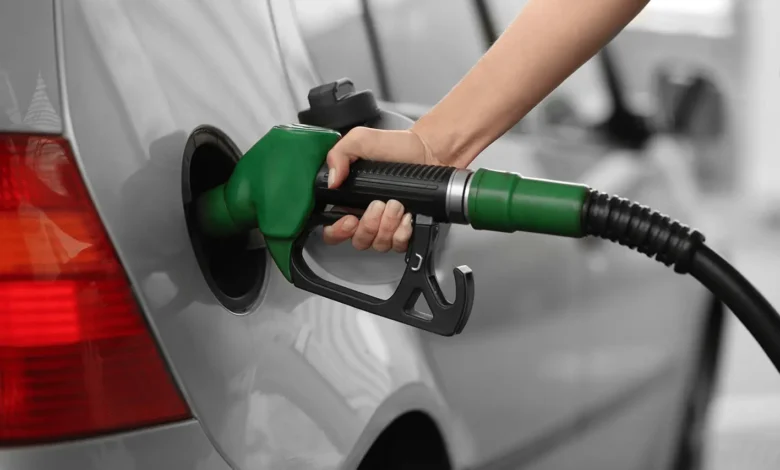
The spa safety passport is a vital certification for anyone working in or around petrol forecourts in the UK. This passport ensures that contractors, forecourt staff, and delivery personnel are fully aware of health and safety measures relevant to petrol retail environments. With rigorous regulations and strict safety standards, having the spa safety passport is not only a legal requirement but also a mark of professionalism and reliability.


Obtaining a spa safety passport demonstrates a commitment to workplace safety and competence. Employers prefer staff who have completed spa safety passport training, as it reduces the likelihood of accidents, ensures compliance with UK safety regulations, and enhances the overall safety culture on petrol forecourts. This certification is recognised across the UK fuel industry, making it an essential qualification for contractors seeking employment in petrol retail.
What is the SPA Petrol Passport
The spa safety passport, commonly referred to as the SPA petrol passport, is issued by the Safety Pass Alliance (SPA) in partnership with the UK Petroleum Industry Association (UKPIA). It is designed specifically for workers on petrol forecourts, covering general safety procedures as well as petrol-specific hazards. This certification is mandatory for anyone handling fuel, working near petrol pumps, or involved in petrol station maintenance and operations.
The SPA petrol passport ensures that all certified individuals understand potential risks such as flammable vapours, fuel spills, and emergency response procedures. By completing spa safety passport training, workers gain practical knowledge and skills to manage hazards safely. The certification also reflects compliance with legal requirements and demonstrates a professional approach to working in a high-risk environment.
SPA Safety Passport Training Overview
SPA safety passport training consists of two main components: core training and sector-specific petrol retail training. Core training covers general health and safety, including risk assessment, hazard identification, accident prevention, and first aid. These foundational skills are essential for creating a safe workplace across a wide range of industries.
The sector-specific petrol retail training addresses the unique hazards of working on forecourts, such as handling flammable substances, emergency shutdown procedures, and operating forecourt equipment safely. SPA safety passport training can be completed either in-person or online, providing flexibility for busy contractors. Both options lead to the official spa safety passport, which is a widely recognised certification in the UK petrol retail sector.
How to Get a SPA Petrol Passport
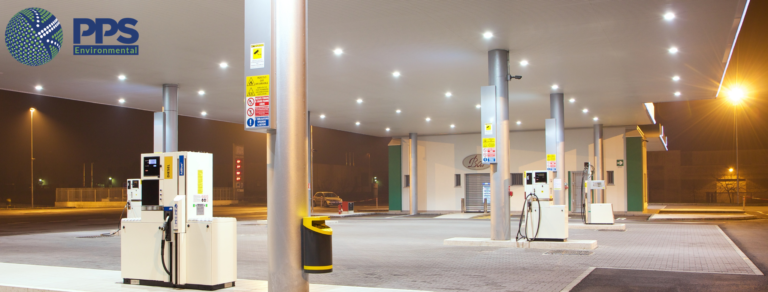
Obtaining a spa safety passport begins with selecting an accredited SPA training provider. Candidates must register for the course, provide personal details, and sometimes evidence of work experience in petrol retail. The course typically involves both theoretical and practical modules, culminating in an assessment that verifies the participant’s understanding of petrol forecourt safety.
After successful completion, participants receive a physical spa safety passport valid for three years. Online courses offer convenience for those unable to attend in-person sessions, while in-person training includes hands-on exercises to ensure practical knowledge is applied. The spa safety passport enables workers to legally and safely operate in petrol retail environments across the UK, meeting industry and legal standards.
Validity, Renewal, and Refresher Courses
The spa safety passport is valid for three years, after which a refresher course is required to maintain certification. Refresher training is shorter than the initial course but ensures that workers remain updated on the latest safety regulations, emergency procedures, and petrol-specific hazards. Keeping the spa safety passport current is essential to avoid lapses in safety knowledge and to remain legally compliant.
Renewing a spa safety passport is a straightforward process through accredited training providers. Candidates can choose online or in-person refresher courses based on convenience and availability. Regular refresher training ensures workers continue to operate safely on forecourts, reduces the risk of accidents, and demonstrates a commitment to maintaining high standards of workplace health and safety in the UK petrol retail industry.
Benefits of SPA Petrol Safety Passport
The spa safety passport offers significant advantages for both workers and employers. From a safety perspective, it ensures all staff are aware of hazards, understand emergency procedures, and follow correct safety protocols. Workers who hold a spa safety passport are better equipped to prevent accidents and handle fuel-related risks effectively.
Professionally, holding a spa safety passport increases employability in the petrol retail sector. Employers seek certified staff to comply with UK safety regulations and maintain a safe workplace. The certification also builds trust with clients and colleagues and demonstrates a professional approach to safety. Overall, the spa safety passport is a valuable investment in career development, safety, and industry credibility.
Conclusion
The spa safety passport is an essential certification for anyone working in the UK petrol retail industry. It equips contractors and staff with critical health and safety knowledge, ensuring that petrol forecourts operate safely and in compliance with regulations. Completing spa safety passport training reduces risks, enhances professional credibility, and fosters a safety-first culture in the workplace.
Renewing and maintaining the spa safety passport is simple and ensures workers remain up-to-date with industry standards. Both online and in-person training options make it accessible for all contractors. Prioritising spa safety passport training is a proactive step toward safer, more efficient, and legally compliant operations on UK petrol forecourts.