Sensory stories for PMLD are specially designed narratives that combine traditional storytelling with multi-sensory experiences. These stories are created to support individuals with profound and multiple learning disabilities, providing meaningful ways to engage with language, emotions, and experiences. By incorporating touch, sight, sound, and sometimes smell, sensory stories make stories accessible to learners who might struggle with conventional forms of communication.


Using sensory stories for PMLD also encourages participation and interaction, whether in classrooms, care settings, or at home. They can help learners feel included in group activities while simultaneously supporting emotional regulation, attention, and communication. The use of free downloadable resources and examples makes it easy for educators, carers, and families to implement sensory stories consistently.
What are sensory stories for PMLD
Sensory stories for PMLD are short, structured narratives that incorporate sensory elements to create immersive learning experiences. Unlike traditional storytelling, sensory stories use props, textures, sounds, and sometimes scents to engage learners on multiple levels. This approach helps individuals with profound and multiple learning disabilities understand and enjoy stories that might otherwise be inaccessible due to communication or cognitive limitations.
These stories are designed to be predictable and repetitive, allowing learners to anticipate events and actively participate. Sensory stories for PMLD often include pauses, gestures, and interactive prompts, which provide opportunities for responses and reactions. By stimulating multiple senses simultaneously, sensory stories enhance attention, comprehension, and enjoyment, making them an invaluable tool in both education and care.
Benefits of sensory stories for PMLD
Sensory stories for PMLD offer numerous benefits for both students and adults. They provide emotional support by creating calming, structured experiences that reduce anxiety and promote well-being. Learners can engage with the story at their own pace, which increases confidence and encourages participation in social interactions. These stories help learners feel included and valued in group activities.
In addition, sensory stories for PMLD stimulate cognitive development by supporting memory, attention, and understanding of cause-and-effect relationships. They promote communication skills by encouraging gestures, vocalisations, or responses to sensory prompts. Over time, the consistent use of sensory stories enhances learning, interaction, and independence, making them an essential resource for educators, therapists, and carers working with learners with profound and multiple learning disabilities.
Sensory stories for PMLD students
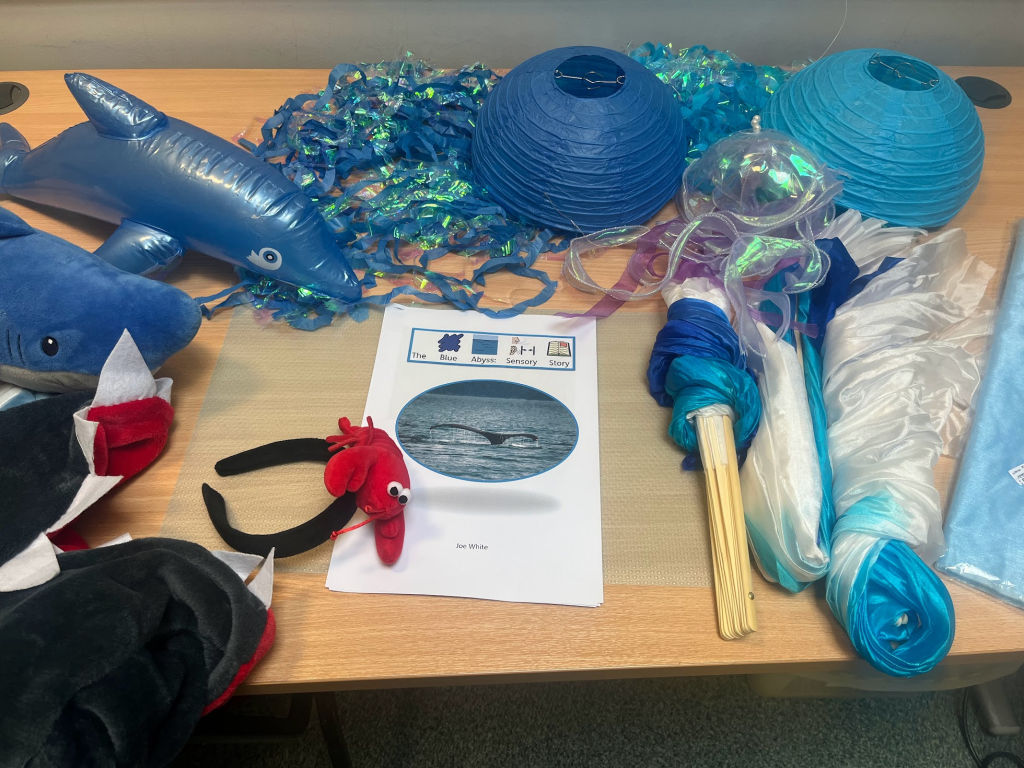
Sensory stories for PMLD students are widely used in educational settings to support learning and engagement. Teachers can use sensory stories to introduce new concepts, explore emotions, or reinforce communication skills. By integrating visual, auditory, and tactile elements, learners can engage with stories in a way that is meaningful and memorable. Using sensory stories for PMLD helps students feel part of the classroom and encourages active participation.
Educators can personalise sensory stories for PMLD students by adapting them to individual needs, abilities, and interests. Free downloadable examples make it easier to implement sensory stories without extensive preparation. By using props, textures, and sounds, teachers can create engaging sessions that promote inclusion, understanding, and enjoyment, helping students with profound and multiple learning disabilities gain confidence in both social and learning environments.
Sensory stories for PMLD adults
Sensory stories for PMLD adults can be adapted for care settings, therapy sessions, or community programs. These stories provide adults with profound and multiple learning disabilities the chance to engage, interact, and experience enjoyment. Sensory stories for PMLD adults often incorporate familiar objects, music, or scents to create a sense of connection and relevance, supporting emotional well-being and social interaction.
Carers and therapists can use sensory stories for PMLD adults to encourage communication, participation, and exploration. By tailoring stories to individual preferences and needs, adults can engage meaningfully, expressing emotions or reactions through gestures, vocalisations, or facial expressions. Regular sensory storytelling sessions help build relationships, enhance confidence, and create calm, structured experiences that positively impact overall quality of life.
How to create sensory stories for PMLD
Creating sensory stories for PMLD involves understanding the needs and abilities of learners. Start by selecting a simple narrative with clear sequences and events. Incorporate sensory elements such as sounds, textures, and visual prompts to make the story engaging and accessible. Personalising sensory stories for PMLD ensures learners can connect with and enjoy the experience while supporting learning objectives.
It is important to observe learners’ responses and adjust sensory elements accordingly. Keep sensory stories for PMLD short, repetitive, and predictable to maintain engagement and prevent frustration. By focusing on individual preferences, learners can experience meaningful storytelling that stimulates their senses, encourages participation, and enhances cognitive, social, and emotional development.
Free downloadable sensory stories for PMLD
Many free downloadable sensory stories for PMLD are available online, providing ready-to-use resources for teachers, carers, and families. These resources often include step-by-step guidance, suggested props, and example stories for both students and adults. Free sensory stories for PMLD make it easier to implement engaging activities without extensive preparation.
Using free downloadable sensory stories for PMLD allows educators and carers to focus on interaction rather than creating content from scratch. These stories can be adapted to suit individual learners, ensuring accessibility and engagement. Whether for classroom sessions, therapy, or home use, sensory stories provide an enjoyable, inclusive, and educational experience for learners with profound and multiple learning disabilities.
Conclusion
Sensory stories for PMLD are essential tools for enhancing engagement, learning, and well-being in individuals with profound and multiple learning disabilities. By combining storytelling with multi-sensory experiences, these stories create opportunities for participation, communication, and emotional support. Both students and adults benefit from the inclusive and interactive nature of sensory stories.
Whether using free downloadable sensory stories for PMLD or creating personalised versions, carers and educators can deliver meaningful experiences that stimulate the senses, encourage engagement, and foster confidence. Regular sensory storytelling supports inclusion, learning, and emotional development, making it a highly valuable resource for anyone working with learners with profound and multiple learning disabilities.