DWP PSCS Payment After Death: Complete UK Guide to Overpayments, Bereavement Support and Estate Responsibilities

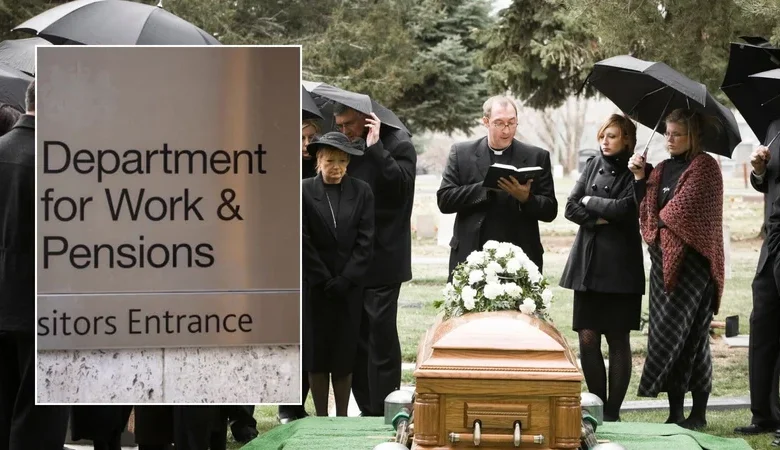
Understanding DWP PSCS payment after death is essential for surviving partners and executors managing the estate of a deceased loved one in the UK. These payments, which often relate to State Pension or other benefits, can sometimes continue in error or stop unexpectedly. Knowing how the Department for Work and Pensions (DWP) handles these payments ensures families take the correct steps to avoid financial complications.

DWP PSCS payment after death can include overpayments, refunds, and Bereavement Support Payments (BSP). The Pension Service Computer System (PSCS) manages these payments, but errors occasionally occur, creating confusion for estates. Familiarity with DWP procedures and rights helps families claim what they are entitled to while avoiding unnecessary repayment demands.
What is DWP PSCS Payment After Death
DWP PSCS payment after death refers to financial transactions processed through the Pension Service Computer System following the death of a pensioner or benefit recipient. This may include State Pension payments, benefits, or other entitlements. The system aims to ensure payments stop after death, but occasional errors can result in overpayments that the estate or surviving partner must address.
PSCS is a core system used by the DWP to track pension payments, manage accounts, and record benefit history. After a death, it identifies payments made in error and calculates potential overpayments. Understanding DWP PSCS payment after death enables families and executors to act proactively, ensuring that financial matters are resolved accurately and fairly.
Payments After Death
DWP PSCS payment after death generally stops once the DWP has been notified of a death. Executors or next of kin should contact the department promptly to prevent overpayments or accidental continuation of benefits. Timely notification is crucial, as delays can result in repayments being requested from the estate.
Bereavement Support Payment is available to eligible partners of the deceased, providing financial assistance during a difficult period. The standard rate includes a £2,500 lump sum and £100 per month for up to 18 months, while the higher rate provides £3,500 plus £350 per month if children under 20 are involved. Prompt claims ensure families receive support without delays.
Overpayments and PSCS Errors

Overpayments are a common occurrence with DWP PSCS payment after death, often caused by delays in stopping payments or system errors. These overpayments are typically recovered from the estate, although the DWP has limited authority to pursue individuals directly in some cases. Awareness of these processes can help avoid disputes and ensure repayments are handled correctly.
PSCS errors can also result in underpayments or delayed payments, complicating the administration of an estate. Executors must carefully review payment statements and DWP correspondence to ensure all amounts are correct. Cooperation with DWP inquiries is essential to resolve errors quickly and prevent stress for surviving family members.
Handling the Estate
Executors play a critical role in managing DWP PSCS payment after death. They must provide probate and estate information to the DWP when requested. Prompt communication ensures overpayments are addressed and benefits, including Bereavement Support Payments, are claimed correctly, protecting both the estate and surviving partners.
In addition to reporting to the DWP, executors should gather bank statements, pension records, and previous benefit details. Keeping thorough records simplifies the process, reduces the risk of disputes, and ensures the estate complies with legal obligations. Proactive management also helps families understand what payments they are entitled to after a loved one passes away.
Common Issues and How to Resolve Them
Families often face unexpected payments or refund requests from the DWP following a death. Common issues include overpayments from PSCS, delays in stopping State Pension payments, or discrepancies in Bereavement Support Payment amounts. Understanding these challenges allows families to respond quickly and avoid unnecessary financial stress.
Resolving issues with DWP PSCS payment after death involves contacting the Bereavement Service, providing accurate documentation, and following up consistently. Staying informed about repayment procedures, entitlement rules, and PSCS errors ensures families can claim what they are owed while avoiding misunderstandings with the department.
Practical Steps for Surviving Partners and Executors
To manage DWP PSCS payment after death effectively, notify the DWP immediately and stop all ongoing payments. Claim Bereavement Support Payment as soon as possible, and gather all necessary documents, including death certificates and probate papers. Executors should review bank statements and payment records to ensure all overpayments are identified.
Creating a checklist for handling DWP PSCS payment after death is highly recommended. Communicate with the DWP regularly, maintain accurate records, and understand repayment rules. These steps protect both surviving partners and the estate from financial complications, ensuring that the process is smooth and stress-free.
Conclusion
DWP PSCS payment after death can be complex, involving overpayments, BSP, and estate responsibilities. Acting promptly, documenting payments, and understanding DWP procedures helps surviving partners and executors manage payments efficiently. By staying informed and cooperating with the DWP, families can ensure that financial matters are handled fairly and without unnecessary complications during a difficult time.