average cost of washing machine cycle Cycle UK: How Much a Wash Really Costs in 2025


Understanding the cost of washing machine cycle UK is essential for anyone looking to manage household expenses effectively. Running a washing machine involves electricity, water, and detergents, which can add up significantly over the course of a year. By calculating the average cost of washing machine cycle, homeowners can make informed decisions about energy-efficient machines and more sustainable washing habits, ensuring both cost savings and reduced environmental impact.


The average cost of washing machine cycle can vary widely depending on the machine’s efficiency, size, and the type of cycle used. Eco-friendly cycles, which use less water and electricity, are cheaper, whereas steam or heavy-duty cycles consume more resources, increasing costs. Knowing these costs helps UK households budget more accurately and choose washing routines that balance cleanliness, convenience, and affordability.
What Is the Cost of Washing Machine Cycle
The cost of washing machine cycle UK refers to the total expense of running a single wash, which includes electricity, water, and detergents. For typical UK homes, a cycle can range from 16p to 30p depending on the washing machine’s age and energy rating. In contrast, commercial laundromats often charge significantly more, with combined wash and dry loads costing upwards of £4.75 per use, making home washing much more economical.
Understanding the average cost of washing machine cycle allows homeowners to make smart choices about machine usage. Awareness of running costs encourages users to optimise cycles, select energy-efficient machines, and avoid wasteful habits like frequent half-load washes. Being informed about cycle costs also supports environmentally conscious decisions, reducing unnecessary energy and water consumption.
Factors That Influence the Cost of Washing Machine Cycle
Several factors determine the cost of washing machine cycle UK. Energy efficiency is perhaps the most important, as A-rated machines consume significantly less electricity compared to older or less efficient models. Modern appliances with advanced energy-saving features can reduce per-cycle costs dramatically, helping households save money in the long term while contributing to sustainability efforts.
Water usage and cycle type also influence the average cost of washing machine cycle. Newer machines typically use around 50 litres per cycle, while older machines may use double that amount. Eco cycles and low-temperature washes are more cost-effective, whereas steam or heavy-duty cycles consume more resources. The size of the machine, load type, and local electricity and water rates further impact overall costs, making it essential to understand all contributing factors.
Average Cost of Washing Machine Cycle in the UK
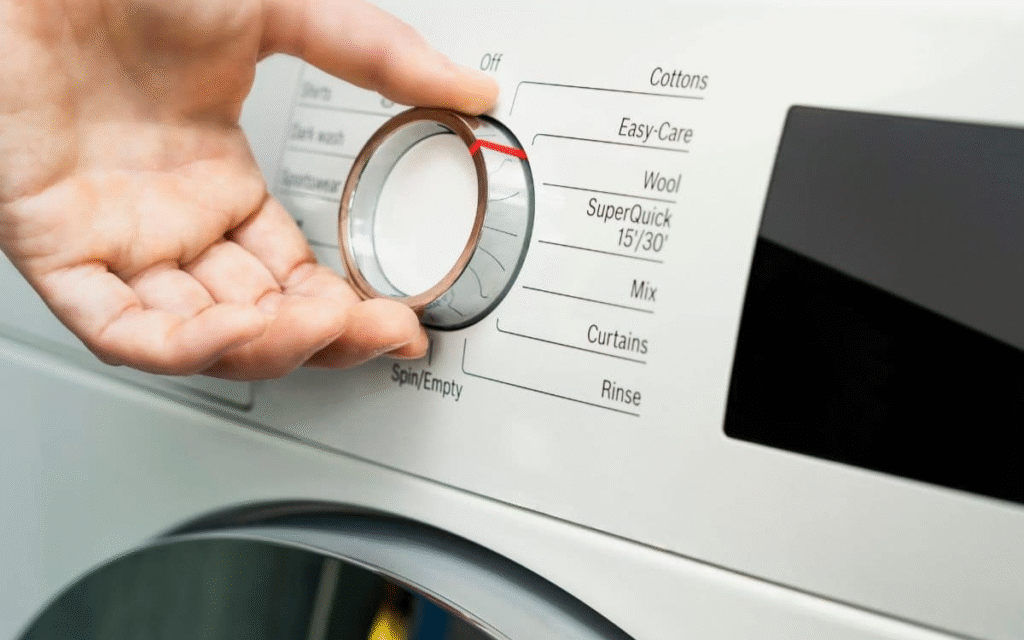
The cost of washing machine cycle UK varies depending on machine efficiency. A-rated machines usually cost around 16p to 20p per cycle, while mid-range B or C-rated machines can cost between 25p and 29p. Older machines with lower energy ratings often exceed 30p per cycle, making them less economical in the long run. Calculating the average cost of washing machine cycle helps homeowners plan their energy and water usage effectively.
Laundromats present a different scenario, where combined wash and dry cycles cost £4.75 or more per load. For households looking to reduce the cost of washing machine cycle UK, investing in energy-efficient appliances and optimising wash routines can make a noticeable difference. Tables or examples of typical costs per cycle, including electricity and water, offer a practical reference for budgeting.
How to Calculate the Cost of Washing Machine Cycle
Calculating the cost of washing machine cycle UK is straightforward if you follow a few steps. First, check your washing machine’s kWh consumption per cycle, which can usually be found in the manual or on the energy label. Multiply this by your electricity rate to determine the electricity cost, then estimate water usage and multiply by your local water tariff. Adding detergent and softener costs provides a complete view of the total cost.
Knowing the average cost of washing machine cycle allows households to track usage and identify savings opportunities. By understanding exactly how much each wash costs, users can adjust cycle choices, avoid unnecessary partial loads, and schedule washing during off-peak electricity hours. Accurate calculation ensures informed decisions that balance cleanliness with cost-efficiency and environmental responsibility.
Ways to Reduce the Cost of Washing Machine Cycle
Reducing the cost of washing machine cycle UK begins with selecting energy-efficient appliances. A-rated or A+++ machines use less electricity and water per wash, which significantly reduces running costs over time. Choosing eco or low-temperature cycles further lowers the cost of each cycle while maintaining effective cleaning performance, making it a practical choice for budget-conscious households.
Other strategies for lowering the average cost of washing machine cycle include washing full loads rather than half loads, avoiding unnecessary extra rinses, and keeping machines well-maintained. Timing washing during off-peak electricity periods can also reduce costs in regions with variable tariffs. Small adjustments in washing habits can lead to substantial savings over the course of a year, benefiting both the wallet and the environment.
Conclusion
The cost of washing machine cycle UK depends on multiple factors, including energy efficiency, water usage, cycle type, machine size, and local utility rates. On average, home washing costs range from 16p for efficient machines to over 30p for older models, while commercial laundromats charge significantly more. Understanding these costs helps UK households make better choices and optimise laundry expenses effectively.
By calculating the average cost of washing machine cycle, homeowners can implement strategies to save money and reduce energy consumption. Choosing energy-efficient machines, using eco-friendly cycles, and washing full loads can significantly reduce running costs. With proper planning and mindful usage, it is possible to maintain clean clothes while keeping the household budget under control.