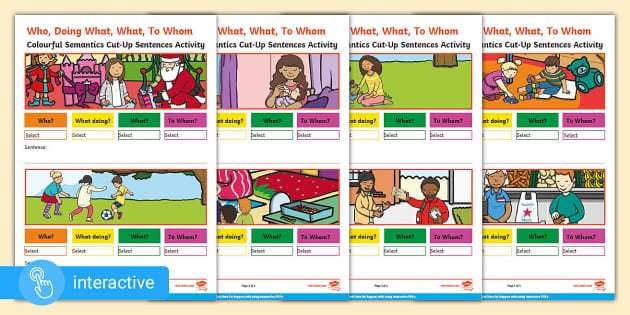
A colourful semantics template is a highly effective visual framework designed to support sentence construction and language understanding. It is commonly used in educational and therapeutic environments to help learners break down sentences into meaningful parts. By presenting language in a clear, colour-coded structure, it supports comprehension and reduces confusion for children who find spoken or written language challenging.


This approach is especially valuable in UK classrooms and speech therapy settings where inclusive learning strategies are prioritised. A colourful semantics template allows learners to see how words connect to meaning, rather than memorising grammar rules. This visual clarity helps children gain confidence and develop language skills at their own pace while remaining engaged and motivated.
Colourful Semantics Template Explained in Simple Terms
A colourful semantics template works by assigning specific colours to different elements of a sentence, such as the subject, action, object, and additional details. These colours remain consistent, allowing learners to recognise patterns in language. Over time, children begin to internalise sentence structure through repeated exposure and guided practice.
Unlike traditional worksheets, a colourful semantics template focuses on meaning rather than writing volume. This makes it particularly effective for learners with speech and language difficulties, autism, or processing challenges. The structure helps remove guesswork, enabling children to focus on forming meaningful sentences instead of struggling with where words should go.
Colourful Semantics Template Benefits for Speech and Language Development
One of the most significant advantages of using a colourful semantics template is its ability to support expressive language development. Learners gain a clearer understanding of how to expand sentences by adding details logically. This structured approach encourages more descriptive language while maintaining grammatical accuracy, which is often difficult for children with language delays.
Another key benefit of a colourful semantics template is its adaptability across learning environments. It can be used in one-to-one speech therapy sessions, small group interventions, or whole-class activities. Because the visual system remains consistent, learners feel secure and supported, which often leads to improved participation and long-term language progress.
Colourful Semantics Template Formats and Practical Uses
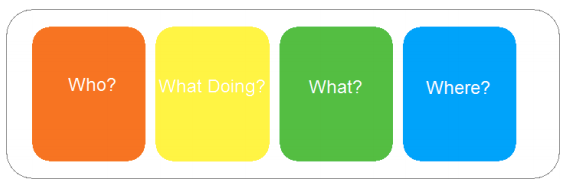
A colourful semantics template is available in multiple formats, including printable PDFs and editable Word documents. Printable formats are ideal for repeated use in classrooms and therapy rooms, where children can physically interact with sentence components. These formats work particularly well for hands-on learners who benefit from visual and tactile input.
Editable formats allow educators and therapists to personalise content based on individual needs. A colourful semantics template can be adapted to suit different age groups, topics, or ability levels without changing the core structure. This flexibility ensures the approach remains effective across a wide range of learning goals and educational contexts.
Colourful Semantics Template in UK Schools and Therapy Settings
In the UK, a colourful semantics template is widely recognised as an evidence-based language support strategy. It is frequently used in primary schools, SEN provisions, and speech and language therapy services. Its structured design aligns well with inclusive education practices and supports curriculum outcomes related to communication and literacy.
Speech and language therapists value the clarity a colourful semantics template provides when assessing and supporting sentence development. Teachers also benefit from its ease of use and adaptability, as it can be integrated into everyday lessons. This consistency across settings helps learners transfer skills more effectively between therapy and classroom environments.
Colourful Semantics Template Tips for Effective Implementation
Introducing a colourful semantics template should begin with clear modelling and guided practice. Adults demonstrate how to build sentences using the colour-coded structure, gradually encouraging learners to take more control. This step-by-step approach ensures children understand both the purpose and process of sentence construction.
Consistency is key when using a colourful semantics template. Regular exposure helps learners recognise patterns and apply them independently. By embedding the template into daily activities such as storytelling, writing tasks, and verbal discussions, educators can reinforce language skills naturally without overwhelming the learner.
Colourful Semantics Template Conclusion and Learning Impact
A colourful semantics template is a powerful tool for supporting language development in a structured and accessible way. Its visual approach simplifies complex sentence structures, making language learning more approachable for children with diverse needs. Over time, learners gain confidence and independence in their communication skills.
By using a colourful semantics template consistently across educational and therapeutic settings, teachers and therapists can create a supportive language-rich environment. This approach not only improves sentence construction but also enhances overall understanding and expression, making it a valuable resource for long-term language development.