
Many homeowners in the UK wonder whether a can power flush damage pipes. A power flush is a professional cleaning method for central heating systems, designed to remove sludge, rust, and mineral build-up that reduces efficiency. When performed correctly, it is safe, but older or fragile pipework can be at risk of leaks or exposure of existing corrosion. Understanding how it works and potential hazards is essential for anyone considering this maintenance procedure.


can power flush damage pipes is often recommended for systems that are inefficient, noisy, or have cold spots in radiators. While concerns about pipe damage exist, these risks are mostly associated with pre-existing weaknesses in the system. A correctly conducted power flush not only restores heat circulation but also prolongs the lifespan of your heating system, saving money on repairs and energy bills in the long term.
What is a Power Flush
A power flush is an intensive cleaning process for central heating systems. It involves circulating water mixed with chemical cleaners at high flow but low pressure through radiators, boilers, and pipework. This method effectively removes sludge, rust, and other debris that accumulate over time, restoring efficient water flow and heat distribution throughout the system.
Unlike simple chemical flushes, a power flush is designed to tackle heavily blocked systems and stubborn corrosion. Radiators that show cold spots, sluggish heating, or excessive noise are strong indicators that a power flush may be needed. When conducted by trained professionals, it revitalises the system and reduces the risk of long-term damage caused by sludge or mineral deposits.
How Power Flushing Works
The process begins with a professional engineer connecting a specialist machine to the heating system. This machine circulates cleaning chemicals and water at controlled pressure through every radiator and pipe, ensuring that blockages and deposits are loosened and flushed out. Magnetic filters may also be used to capture rust particles and prevent further build-up.
During the process, the engineer carefully monitors system pressure and water flow. Any leaks or weak points are identified early, minimising potential damage. The combination of high flow, low pressure, and chemical cleaning ensures a thorough flush while protecting pipes and components from unnecessary strain, making professional intervention crucial for a safe and effective procedure.
Risks of Power Flushing to Pipes
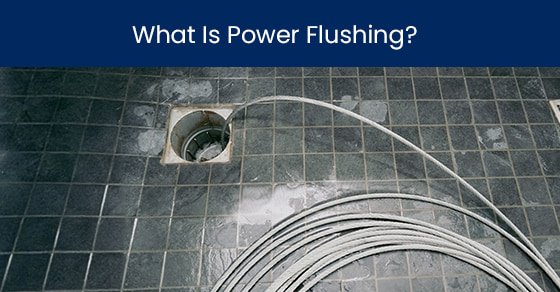
Although rare, can power flush damage pipes can expose weaknesses in older or fragile pipes. Rust, sludge, and corrosion may conceal tiny leaks, which become visible once dislodged during a flush. Homeowners with cast iron or older copper pipes should be aware that a power flush could reveal issues that were already developing, rather than causing new damage.
DIY power flushing can significantly increase the risk of damage. Incorrect machine setup, excessive pressure, or misuse of chemical cleaners can lead to leaks, flooding, or even damage to boilers and radiators. Hiring a qualified professional ensures the system is treated safely, with controlled pressure, appropriate chemicals, and expert monitoring to minimise any potential hazards.
How to Prevent Damage During a Power Flush
A professional assessment before can power flush damage pipes is essential. Engineers evaluate the age, condition, and material of your pipework to decide whether a standard power flush or a gentler chemical flush is appropriate. Adjusting pressure and using suitable chemical inhibitors reduces the chance of exposing weak points or causing leaks.
For older or delicate systems, a chemical flush can gradually remove deposits without the high flow rate used in can power flush damage pipes. Additional preventive measures, such as installing magnetic filters or corrosion inhibitors, can maintain pipe and radiator integrity. These precautions ensure that a flush improves efficiency without risking unnecessary damage to your system.
Signs Your Pipes Could Be at Risk
Certain indicators suggest that your pipework may be vulnerable during a power flush. Visible corrosion, leaking joints, very old pipes, and significant sludge accumulation can all point to a system that requires careful handling. Identifying these signs before flushing allows the engineer to modify the procedure accordingly.
Homeowners should also monitor radiator performance and system efficiency. Cold spots, unusual noises, or increased energy consumption may signal internal blockages or corrosion. Consulting a professional before attempting a flush ensures risks are properly managed, and your central heating system is cleaned safely and effectively.
Benefits of Power Flushing Despite Risks
While the risks of a power flush are minimal when conducted professionally, the benefits are significant. can power flush damage pipes improves heating efficiency, reduces energy bills, and prolongs the life of boilers, radiators, and pipes. It can also prevent future damage caused by sludge or rust accumulation, ultimately saving homeowners money on repairs and replacements.
Moreover, a properly performed power flush can uncover hidden issues before they become serious problems. By identifying weak joints or leaks early, engineers can address them promptly, preventing more extensive damage and ensuring your central heating system remains reliable and effective for years to come.
Conclusion
can power flush damage pipes is a safe and highly effective method for cleaning central heating systems when carried out by trained professionals. While older or fragile pipework may be at risk of revealed leaks, proper pre-flush assessment and careful execution minimise any potential damage. Homeowners can enjoy improved heating efficiency, longer system lifespan, and peace of mind knowing their pipes are protected.