Royal Engineers Service Records: How to Find WW1 & WW2 British Army Records

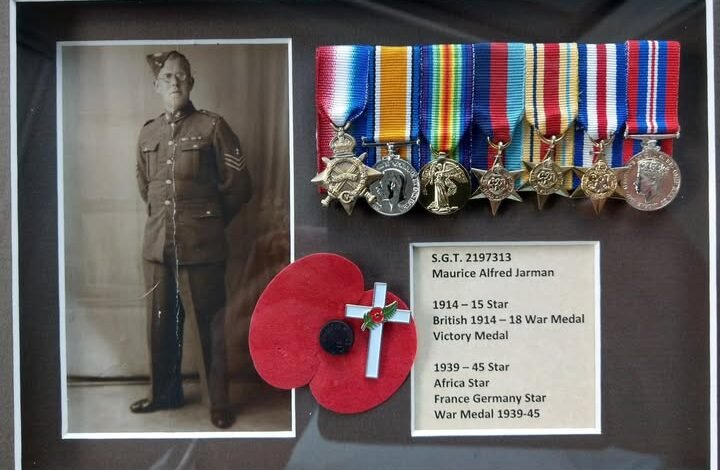
Royal Engineers service records are a cornerstone of British military and family history research, offering valuable insight into the lives of soldiers who served in one of the Army’s most technical and influential corps. From bridge building and tunnelling to mapping and bomb disposal, the Royal Engineers supported nearly every major military operation, making their records especially rich in historical detail.


For researchers, these records provide more than just dates and ranks. They help explain where a soldier served, what skills they used, and how their work contributed to wider wartime efforts. Understanding how to locate and interpret royal engineers service records is essential for anyone seeking to reconstruct an accurate and meaningful service history.
Understanding the Nature of Royal Engineers Records
Royal Engineers records differ slightly from those of other British Army units because of the technical roles involved. A single file may reference specialist training, engineering trades, or attachments to other units. This makes the records particularly useful, but also more complex to read without some background knowledge of military structure and terminology.
In many cases, royal engineers service records include enlistment information, unit postings, promotions, and discharge details. Depending on the period, they may also contain medical notes or references to campaigns served. Knowing what type of information is likely to appear helps researchers identify gaps and decide which additional sources may be required.
Royal Engineers Service Records During the First World War
Royal Engineers service records from the First World War are among the most challenging to access in full. Many individual files were destroyed during bombing in the Second World War, leaving large gaps in surviving documentation. As a result, researchers often need to rely on a combination of partial records and supporting materials.
When WW1 files are missing, medal index cards, pension records, and unit war diaries become especially important. These sources can reveal where a soldier served and what operations they supported, even when personal service files no longer exist. Using these alternatives allows researchers to rebuild service histories with surprising accuracy.
Royal Engineers Service Records During the Second World War
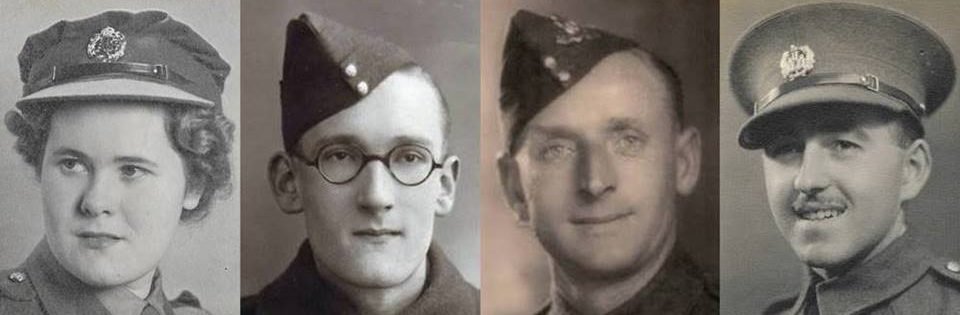
Second World War records are generally more complete, but they are also more restricted. Most royal engineers service records from this period are held by the Ministry of Defence, and access is usually limited to the individual concerned or their next of kin. This can make the research process slower, but often more rewarding.
WW2 records typically include detailed postings, changes in rank, and movements between engineering units. Tracer cards and casualty cards can provide early insight while waiting for full files. Together, these sources help families understand both daily service life and major wartime deployments.
Free and Alternative Ways to Research Royal Engineers Service
Accessing royal engineers service records free of charge is possible, particularly when using catalogues and research guides rather than full digitised files. The National Archives catalogue allows researchers to identify relevant record series, unit diaries, and supporting documents without immediate cost.
Museums and regimental organisations are another valuable free resource. While they do not usually hold personal service files, they provide expert guidance, historical context, and access to journals and publications. These materials often clarify how individual soldiers fit into the wider story of the Royal Engineers.
How to Research Royal Engineers Service Records Effectively
Effective research begins with careful preparation. Collecting names, approximate dates of service, service numbers, and known locations greatly improves search accuracy. Even small details found in family letters or photographs can help distinguish between soldiers with similar names.
Creating a service timeline is equally important. By combining official documents with war diaries, maps, and secondary sources, researchers can track movements and responsibilities over time. This structured approach is especially helpful when royal engineers service records are incomplete or fragmented.
Common Challenges and How to Overcome Them
One of the most frequent challenges is interpreting military abbreviations and technical language. Royal Engineers records often reference specialist units or engineering tasks that are unfamiliar to modern readers. Consulting glossaries or regimental histories can quickly resolve this issue.
Another difficulty lies in unit reorganisations and transfers. Soldiers were often reassigned as operational needs changed, which can make records appear inconsistent. Cross-referencing multiple sources ensures that these changes are understood correctly and prevents misinterpretation of service details.
Conclusion
Royal engineers service records remain one of the most informative resources for understanding British Army service in both World Wars. While access and survival rates vary, combining official records with alternative sources can reveal detailed and personal stories of wartime service.
With patience, organisation, and the right research strategy, even limited documentation can lead to meaningful discoveries. Whether exploring engineering units in WW1 or tracing technical roles in WW2, these records play a vital role in preserving military heritage.